Lead management devices and extraction
Take the lead. Advance patient care.
Philips is dedicated to helping physicians and patients manage every lead – safely, responsibly, predictably.
Demonstrated results in lead management devices and extraction
84%
Of patients with a noninfectious indication for lead extraction are capped1, leading to increased risk for infection2, higher risk future extraction3, contraindication for MRI4, and increased venous burdens.5,6,7
97.7%
Clinical success rate of laser lead extraction8
88.2%
Recent innovations have significantly advanced lead extraction. Proper use of the Philips Bridge occlusion balloon has contributed to increased SVC tear survival rates from 56.4% to 88.2%9
Featured products for lead management devices and extraction
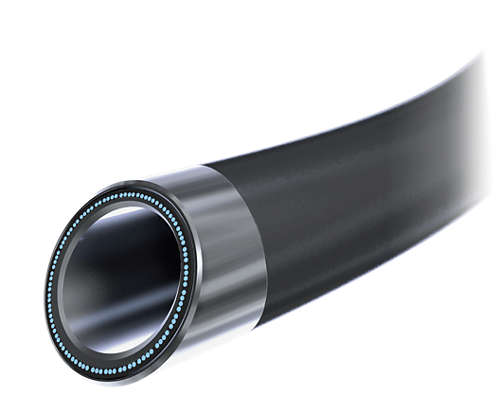
GlideLight laser sheath
Safely and efficiently removing leads depends on tools that give you versatility and control. GlideLight laser sheath offers the ability to customize the laser’s repetition rate throughout a procedure. At 80 Hz, the GlideLight laser sheath requires up to 55% less advancement force,15 and advances up to 62% more efficiently through tough binding sites than SLS II.16
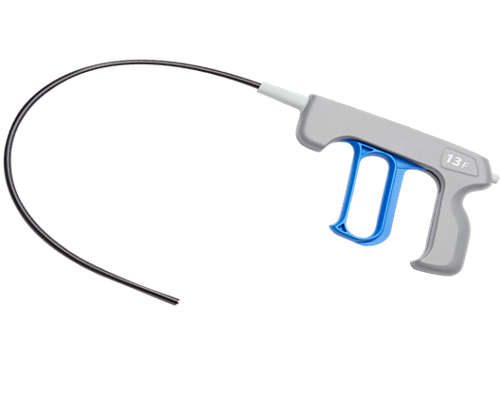
TightRail mechanical rotating dilator sheath
With TightRail, flexibility meets control. The tool’s flexible shaft helps physicians remain coaxial to the lead while maintaining forward progression through tortuous vasculature. The dilating blade remains shielded until activated, putting physicians in control and allowing counter-traction at the targeted lead’s distal tip.
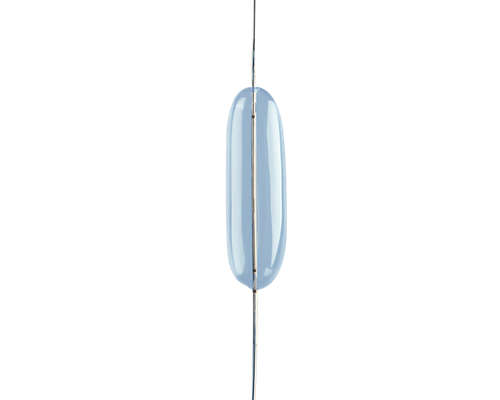
Bridge occlusion balloon
A tear in the superior vena cava (SVC) during a lead extraction procedure is rare, occurring in just 0.5% of cases.9 But when a tear does occur, the Bridge occlusion balloon can be quickly deployed to stop blood loss and allow time for transition to surgical repair.14
“By removing the pacemaker, I’ve been able to get on with my life and be more optimistic about tomorrow, and I can live again.“
Jerry
Patient